
Understanding Bracket Spacing, Wind Load & Structural Considerations
FGF Technical
Aug 3, 2026, 9:05:45 AM
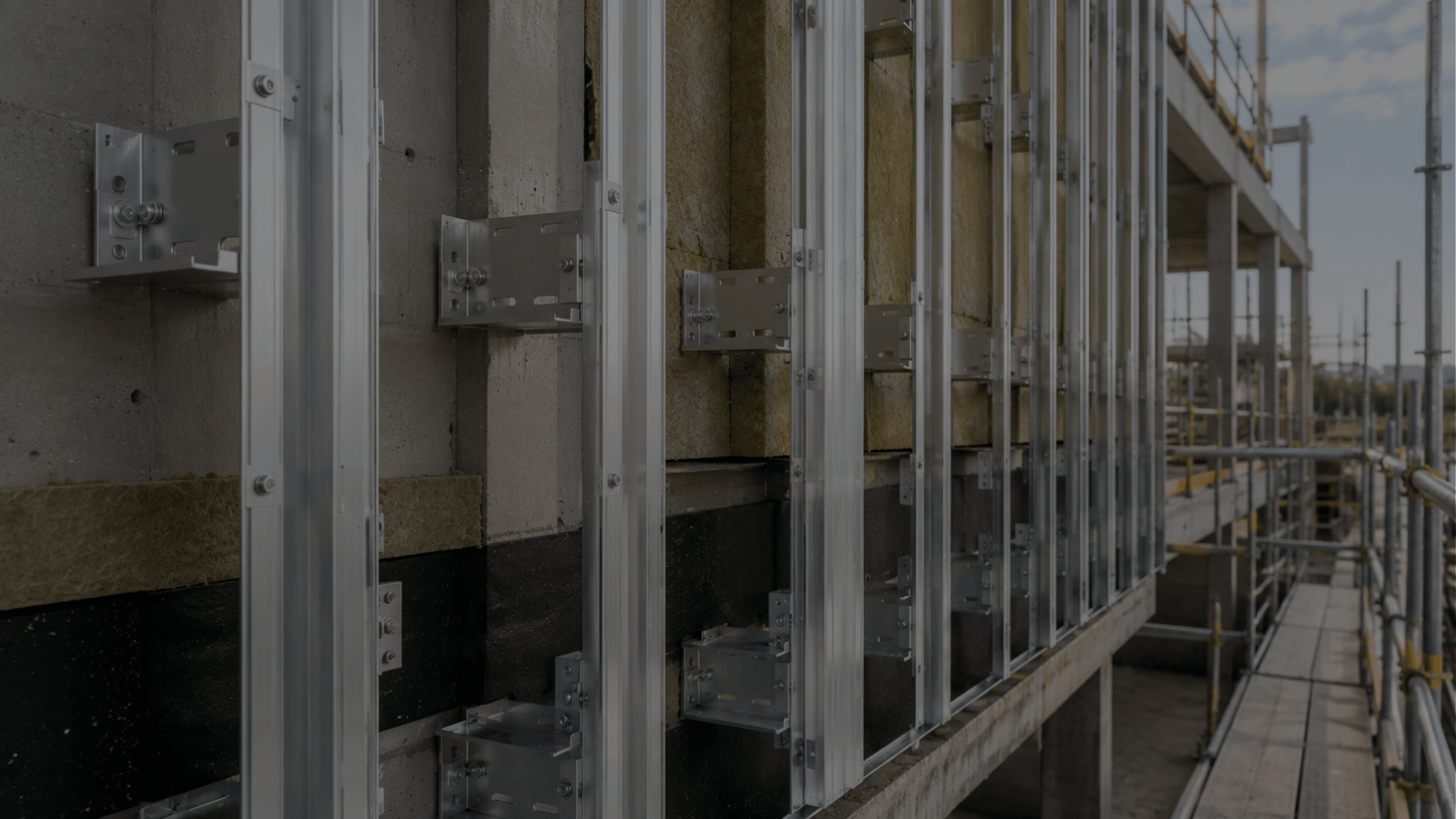
The performance of a rainscreen façade depends on far more than the external cladding panels. The underlying support system must be designed to safely transfer structural loads, accommodate building movement and provide long-term durability throughout the life of the building.
Bracket spacing, wind loading and structural design all influence the specification of a rainscreen support system. Selecting the correct bracket arrangement helps ensure the façade performs safely while meeting project-specific engineering and performance requirements.
Because every building is unique, rainscreen support systems should always be designed using project-specific calculations and manufacturer guidance.
Helping hand brackets transfer the weight of the façade back to the building structure.
Their spacing affects:
Incorrect bracket spacing can place excessive loads on the support system or reduce the performance of the façade under wind pressure.
For this reason, bracket centres should always be determined through structural calculations rather than fixed standard dimensions.
Wind loading is one of the most significant design considerations for any external façade.
The forces acting on a building vary depending on several factors, including:
Higher wind pressures often require closer bracket centres or increased structural capacity within the support system.
Several factors influence the design of a rainscreen sub-frame.
The self-weight of the cladding panels and support system.
Positive and negative wind pressures acting on the façade.
The primary structure may comprise:
Each substrate requires suitable fixing methods and load calculations.
Thermal expansion, structural deflection and movement joints must all be accommodated within the façade design.
Support systems should minimise thermal bridging while maintaining structural integrity.
Leading support system manufacturers provide project-specific design calculations based on the building geometry and loading requirements.
These calculations determine:
Using manufacturer-approved designs helps ensure compliance with project requirements and tested system performance.
Engaging with manufacturers and specialist suppliers during the design stage can simplify façade specification and reduce installation issues later in the project.
Early technical input helps:
FGF supplies rainscreen support systems from leading manufacturers together with technical guidance throughout the design and construction process.
Our team supports projects with:
Working closely with contractors and manufacturers helps ensure the correct support system is specified for each individual project.
Whether you're designing a new façade or reviewing support systems for a remediation project, FGF can provide technical guidance and support.
Contact our team to discuss your project requirements.